If you’ve ever stepped into a beautifully designed coastal home and felt that instant sense of calm, sunlight, and natural flow, you’re not alone. Many homeowners wonder how to bring that same effortless coastal feel into their own space without losing personality or functionality.
Here is your guide to designing a home that truly embodies the coastal lifestyle.
Designing a coastal home begins with a calm, airy color palette, maximizing natural light, and choosing materials that withstand salt air and indoor-outdoor living. Focus on open flow, organic textures, and durable finishes that balance beauty with real-life function. Incorporating natural elements, soft hues, and view-enhancing design choices brings the coastal lifestyle into everyday living. Start with light colors, relaxed textures, and layouts that celebrate sunshine and nature.
Why Design Matters in a Coastal Home
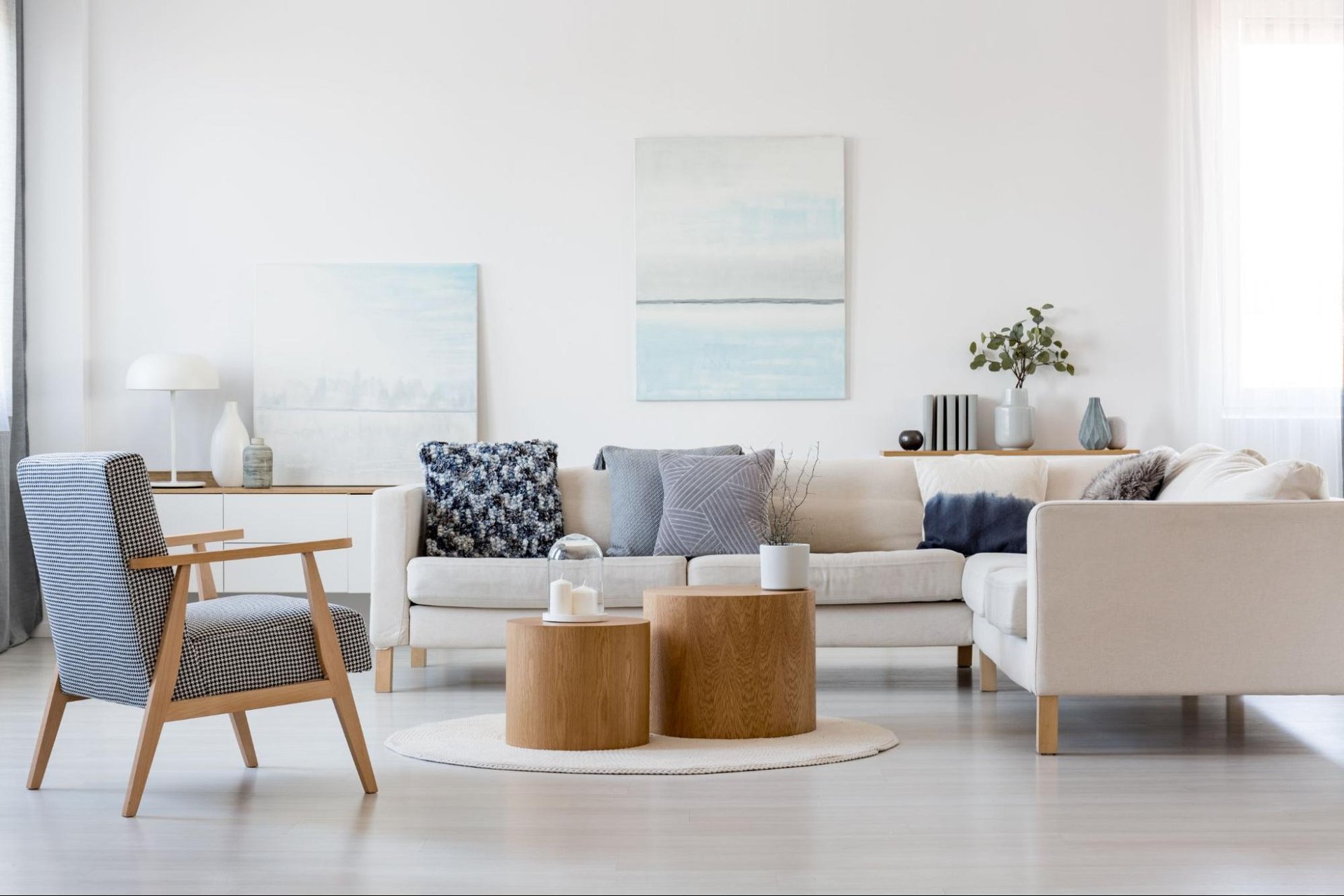
Coastal homes are shaped by natural light, ocean breezes, and an easygoing indoor-outdoor lifestyle. Good design supports that rhythm.
Foundations of coastal design:
-
Sunlight is a core design feature
-
Soft, natural color palettes
-
Organic textures like linen, rattan, oak, and stone
-
Furniture that encourages conversation and connection
-
Materials that resist humidity and salt air
1. Begin With a True Coastal Color Palette
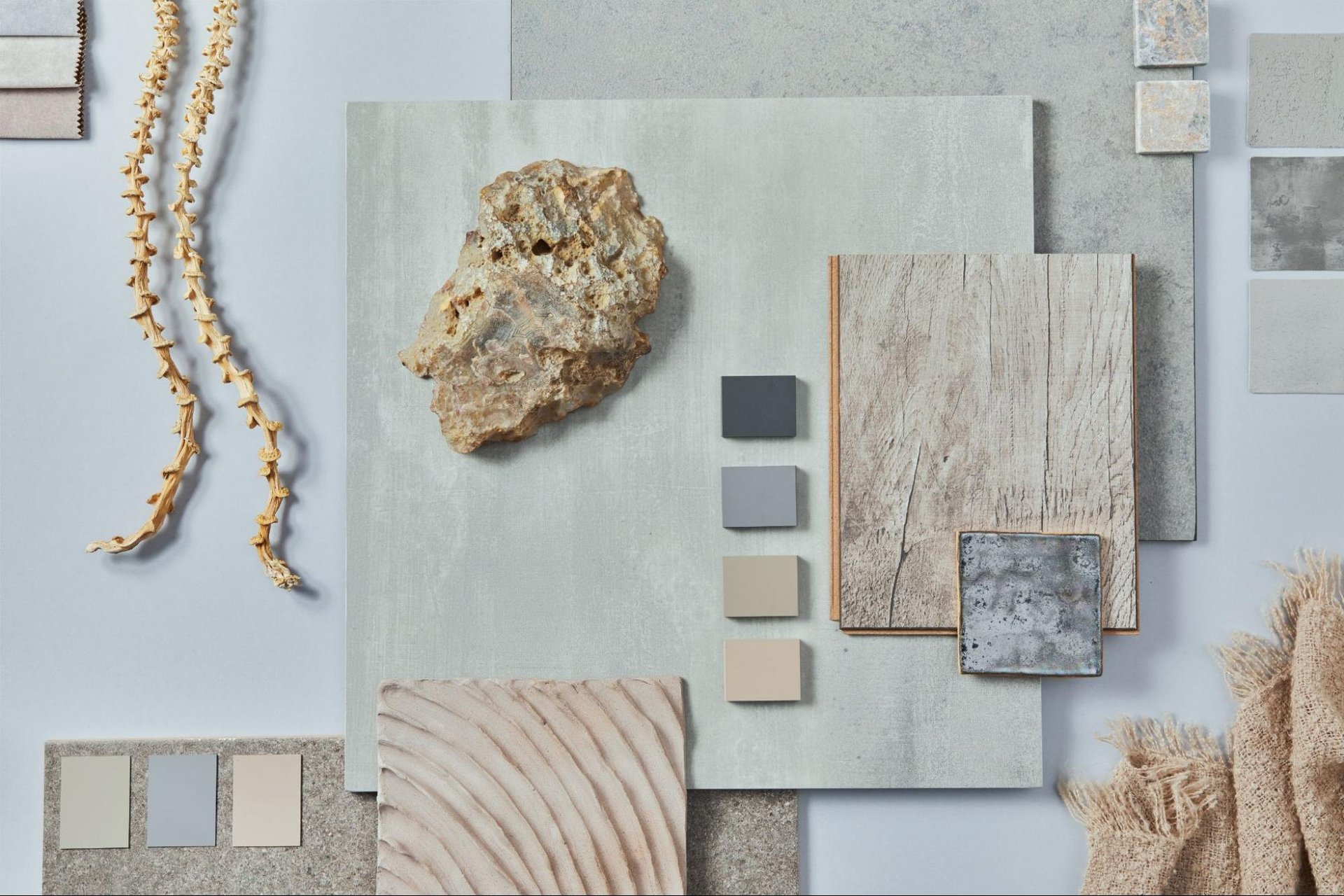
Coastal design should feel calming and natural, never overly themed. The best palettes are subtle and inspired by the shoreline.
Colors that define the coastal look:
-
Soft blues and seafoam tones
-
Warm whites and sun-washed neutrals
-
Driftwood gray and sandy beige
-
Subtle sunset-inspired accents
A layered palette creates that fresh, breezy feeling people love about coastal homes.
2. Maximize Natural Light and Create Indoor-Outdoor Flow
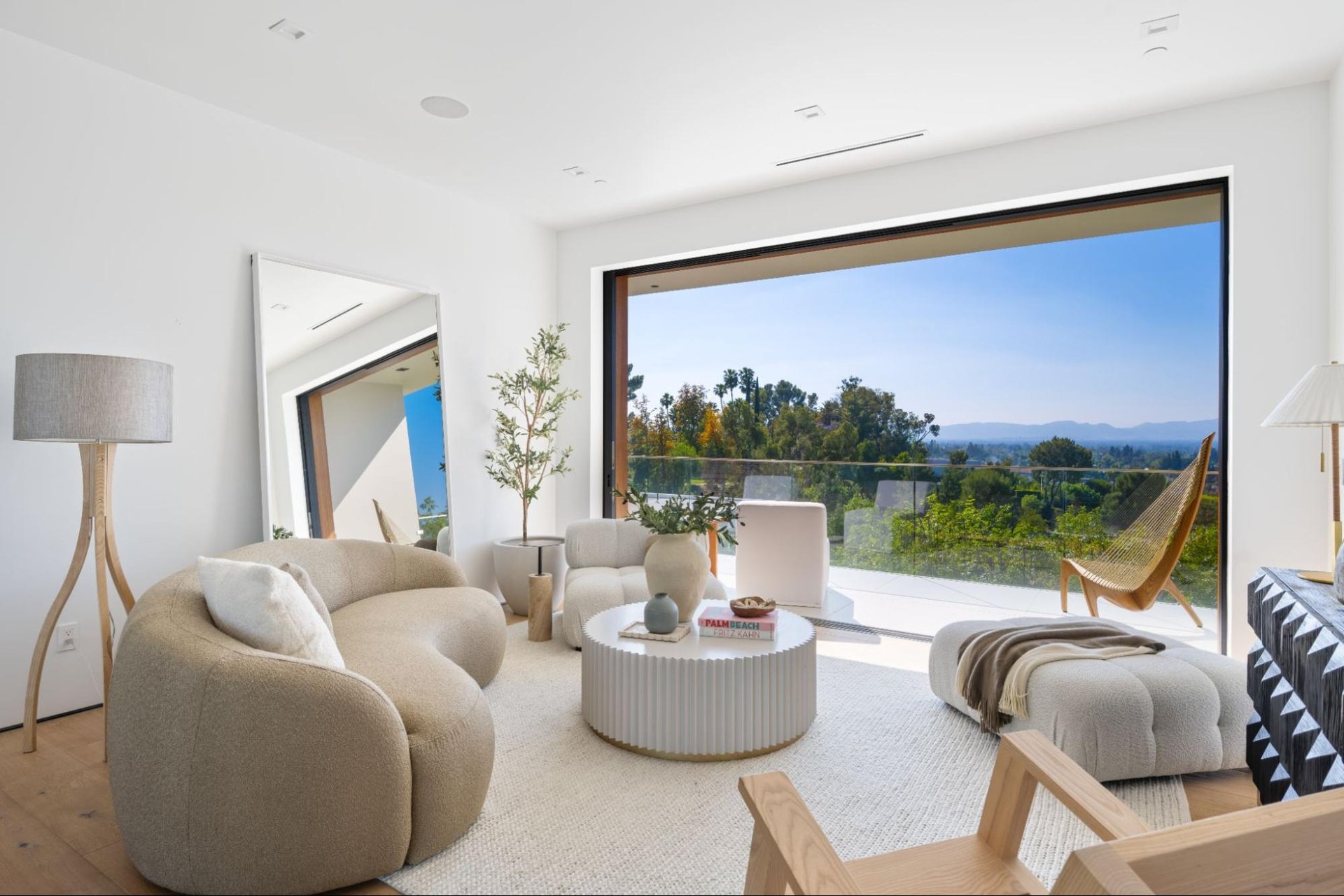
Light is the heart of coastal design. Even if you do not have a direct water view, you can design your home to feel open and bright.
Ways to enhance light and flow:
-
Sheer, airy window treatments
-
Low-profile furniture
-
Large windows or sliding doors
-
Outdoor extensions like decks and patios
Open layouts and natural brightness instantly create coastal ease.
3. Use Durable Materials That Are Coastal-Friendly
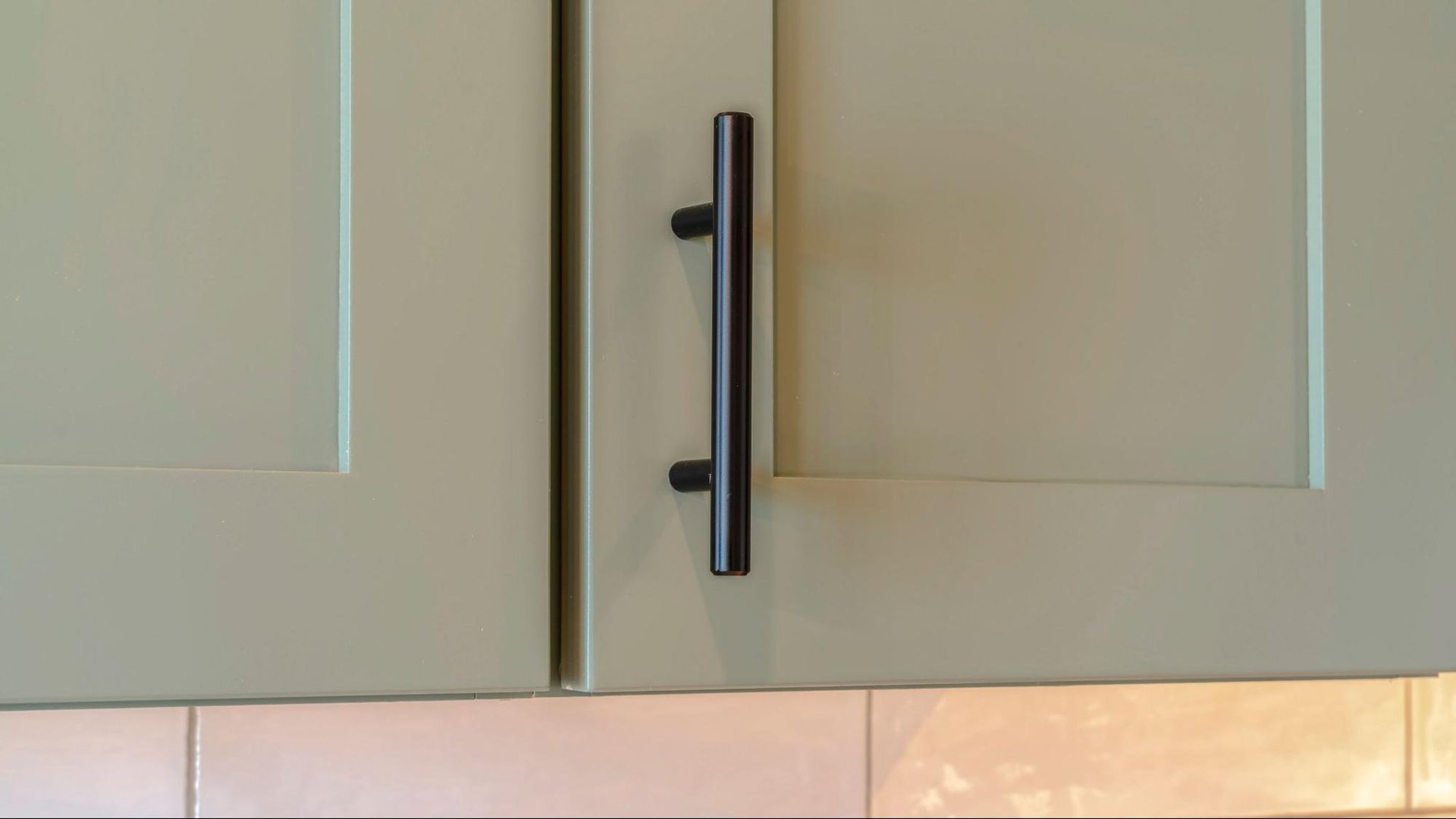
Coastal environments can be hard on interiors, especially if you live near the sea or in high-humidity areas.
Choose materials that hold up:
-
White oak or light-toned woods
-
Linen, cotton, and indoor-outdoor fabrics
-
Quartz countertops
-
Matte black, stainless, or brushed nickel hardware
-
Powder-coated outdoor furniture
Avoid high-gloss finishes and materials prone to rust or corrosion.
4. Add Natural Textures and Calm, Organic Elements
Coastal style is rooted in nature. The more organic your textures, the more timeless your home feels.
Try incorporating:
-
Woven baskets
-
Rattan, seagrass, and natural wood
-
Stone accents and soft textiles
-
Local or nature-inspired art
“Design should feel connected to the environment you love,” says Kelly Perkins, real estate advisor. “When your home reflects the natural elements around you, the entire space feels harmonious.”
5. Make Small Coastal Homes Feel Larger With Smart Design
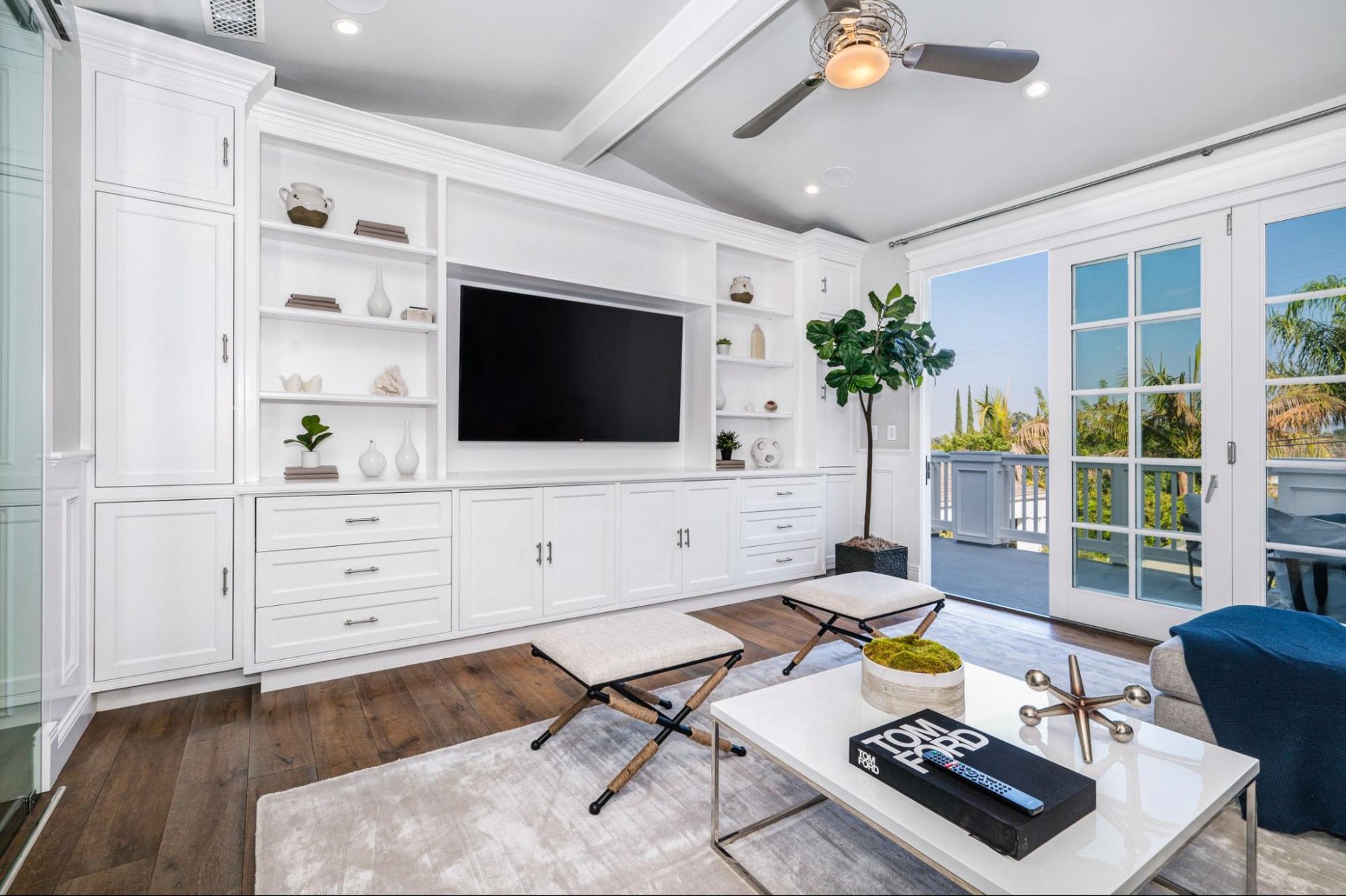
Many coastal properties are cottages or bungalows with smaller footprints. With the right design choices, they can feel bright and spacious.
To maximize smaller spaces:
-
Choose multi-functional furniture
-
Use mirrors to bounce natural light.
-
Keep color palettes soft and cohesive
-
Add built-ins for storage
-
Replace solid walls with glass or open shelving where possible
Even a modest home can feel like a coastal retreat.
Local Insight: Designing With Coastal Climate, Light, and Views in Mind
Every coastal environment has its own character. Homes near water need humidity-friendly materials and ventilation. Elevated or hillside homes benefit from view-maximizing layouts and privacy solutions. Properties in windy or sun-heavy locations require smart shade and durable exteriors.
Design that respects these natural conditions helps your home stay beautiful and functional for years to come.
Ready To Design a Home That Truly Feels Coastal?
If you want help aligning design choices with your lifestyle or long-term real estate goals, I’m here to guide you. Curious how these ideas could transform your home, rental property, or next investment? Let’s walk through it together. Call me anytime for personal advice or off-market opportunities.
Let’s Connect
Kelly Perkins
Compass Laguna Beach
Professional | Persistent | Passionate
949.310.3754
[email protected]
DRE# 01991628
